❗To prevent new catastrophes, every generation revives memories of past wars and disasters, using any method of expression that resonates with their contemporaries. ❗
On April 26, 2024, the 38th anniversary of the Chernobyl Nuclear Power Plant accident is commemorated, which became the largest nuclear disaster in history. The accident claimed the lives of thousands of people and caused irreparable damage to the ecology of Europe. Since then, on this date, we honor the memory of all those who perished or suffered from this catastrophe, as well as the liquidators of the accident's consequences. Let us remind you that during the Russian invasion of Ukraine, the Chernobyl Nuclear Power Plant was occupied by Russian forces. The station was liberated on March 31, 2022.
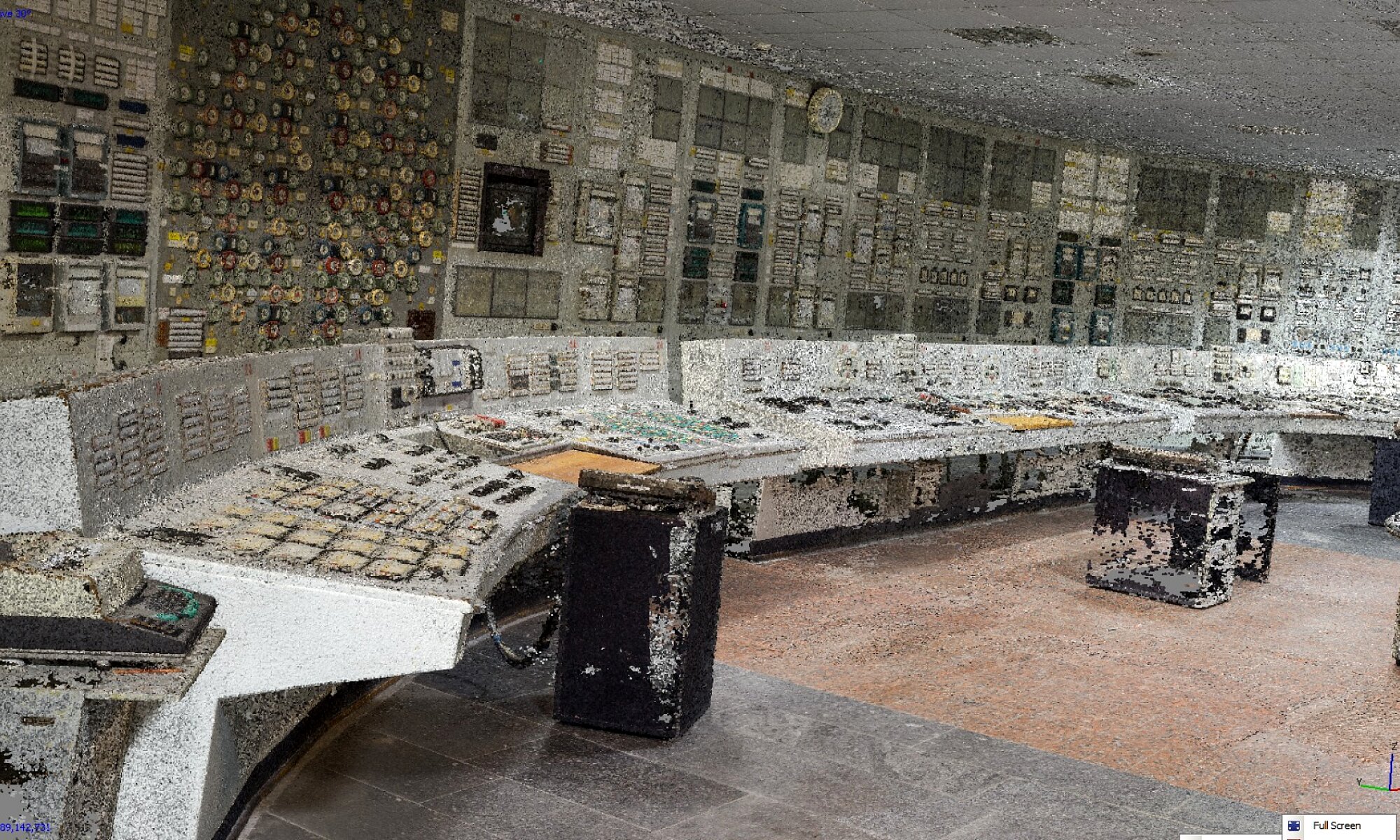
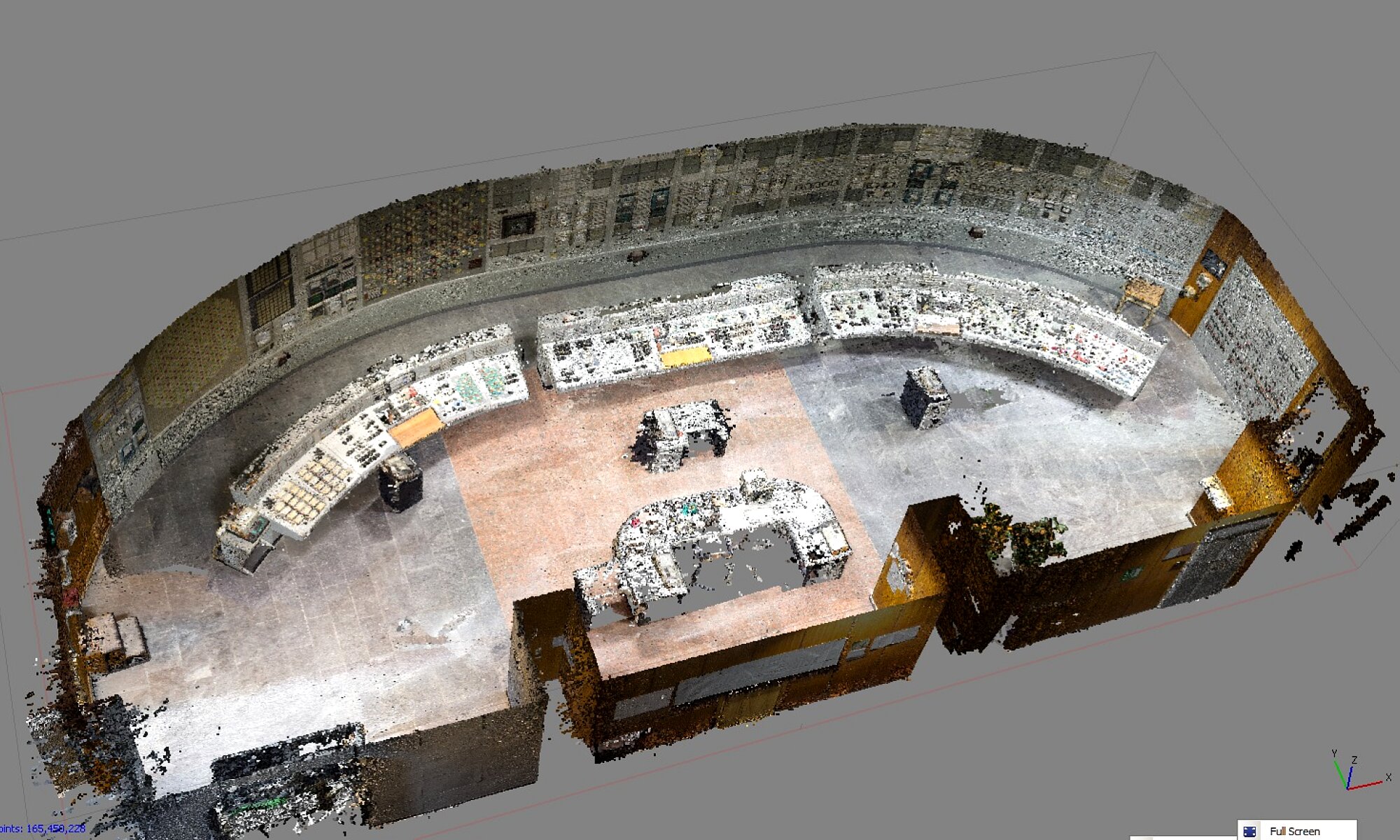
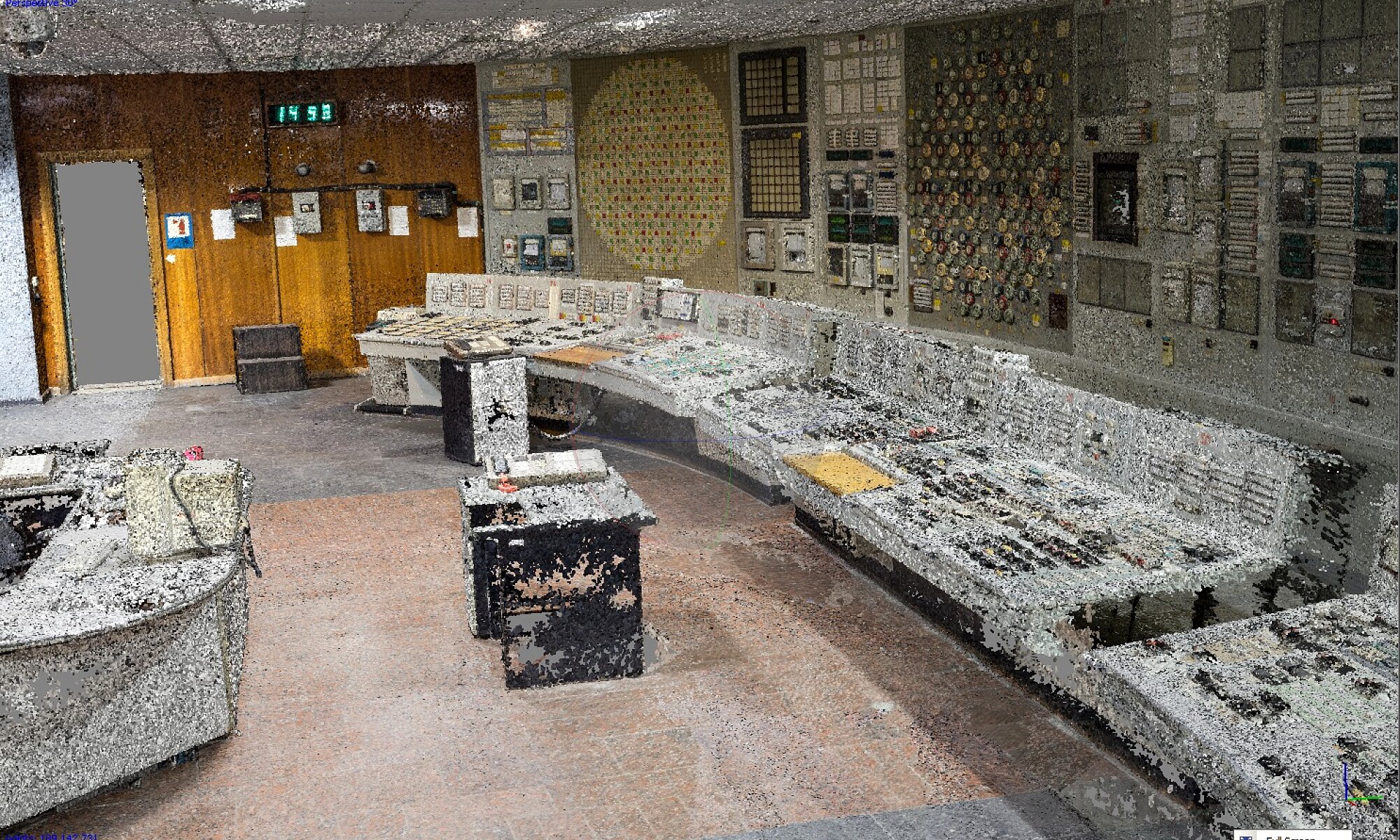
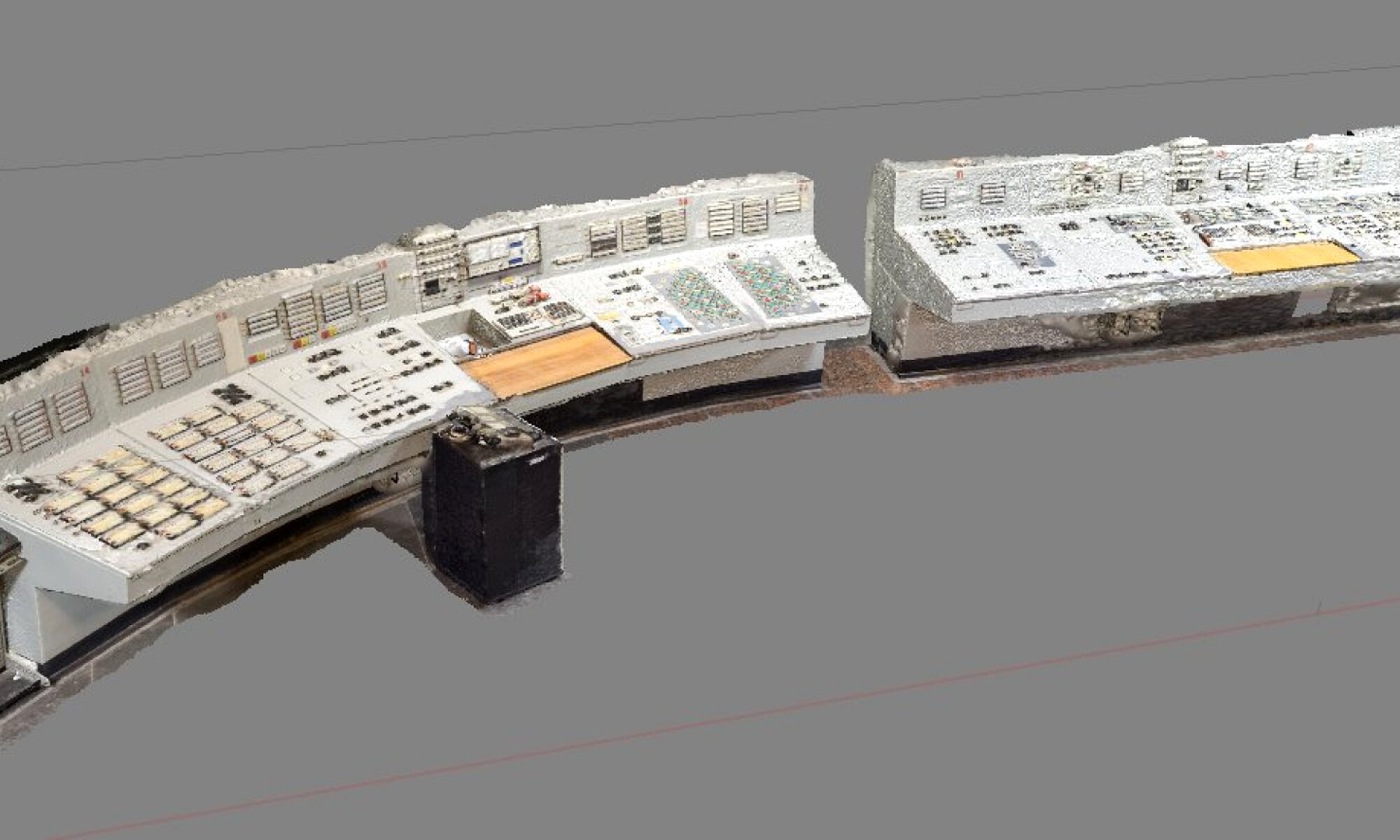
In 2016, our team conducted 3D scanning of the dismantling of the second reactor of the Chornobyl Nuclear Power Plant, which is an exact replica of the dismantling of the fourth reactor. These renders come precisely from there. We have already mentioned that in 2023, we had the honor of cooperating with Professor Hidenori Watanabe of Tokyo University, who created the "Nagasaki Archive," which was published on the Internet in 2010.
After that, in 2011, the "Hiroshima Archive" was created by combining a large amount of material accumulated over 66 years with state-of-the-art internet technologies to convey the experience and message of those who survived after the atomic bombing to future generations. It has been 70 years since atomic bombs were dropped on Hiroshima and Nagasaki, and all those who survived the atomic bomb explosion will die in the coming decades. This means that those people who have the strongest desire for peace and a nuclear-free world from their own experience will be lost.
Professor Watanabe demonstrates how we can use digital tools to keep memories of disasters and wars alive in generations and hopes that his work will help achieve peace. In particular, he collects open-source satellite imagery and 3D models made by people on the ground to show the world the reality of what happens during wars and disasters.
Our collaboration with the professor involved assisting in the creation of an Interactive Digital Map of Ukraine, where Hidenori Watanabe used models collected by us as part of the Ukrainian Victory Museum project in Odessa, Kharkiv, Kherson, Kyiv, and Sumy. "I hope that thanks to our digital maps, ... , more people will feel that what is happening in Ukraine is not someone else's business, but concerns us too, who live in Japan." - Professor Hidenori Watanabe.
Comments (1)
I was in Chernobyl twice and your project so meaningful for me personally. 🙏