
Hello, friends!
We want to tell you a little more about the workshops and the students themselves.
Why do people with autism need inclusive workshops?
Or why do Andrii, Maksym and other students attend our project.
Unfortunately, adults with mental disabilities in Ukraine practically have no opportunities for social integration. This means that everything that awaits them behind the school scenes: isolation within the family or institution, which is more like a hospital with prison rules.
But in inclusive workshops - they get the opportunity to find friends, communicate, unleash their creative potential, undergo pre-professional training, and work in the future.
Since the workshop environment is understandable, stable and filled with necessary cues. And professionals provide comprehensive professional support at all stages of socialization and education.
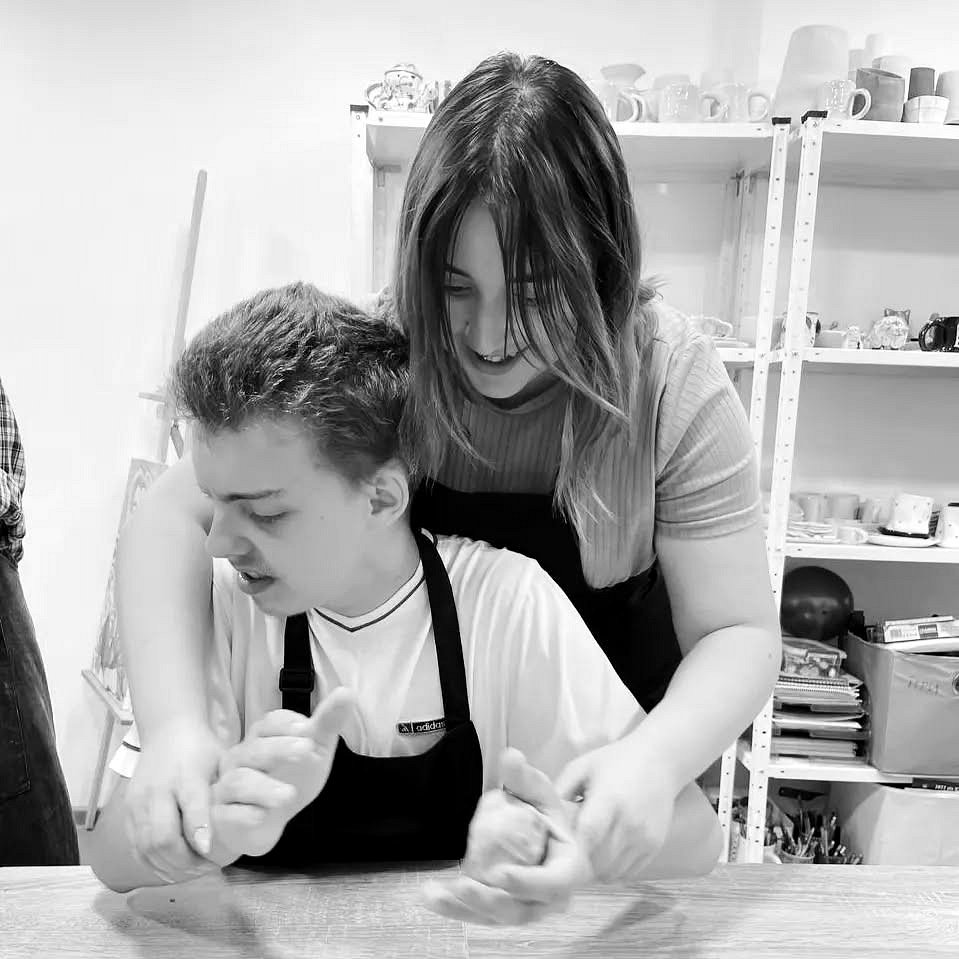
Here is Andrii. He is 18 years old and he has autism.
After a year of studying ceramics, Andrii learned how to roll out a clay slab with partial support from an assistant - and this is a great achievement. After the clay is rolled out, Andrii needs an assistant's help at every step of the cup or brooch making process. In a regular ceramic studio, Andrii probably would not have had the opportunity to engage in ceramic work. But in inclusive workshops - Andrii can regularly visit both a ceramic workshop and an art, graphic, or just be among other people and feel needed.
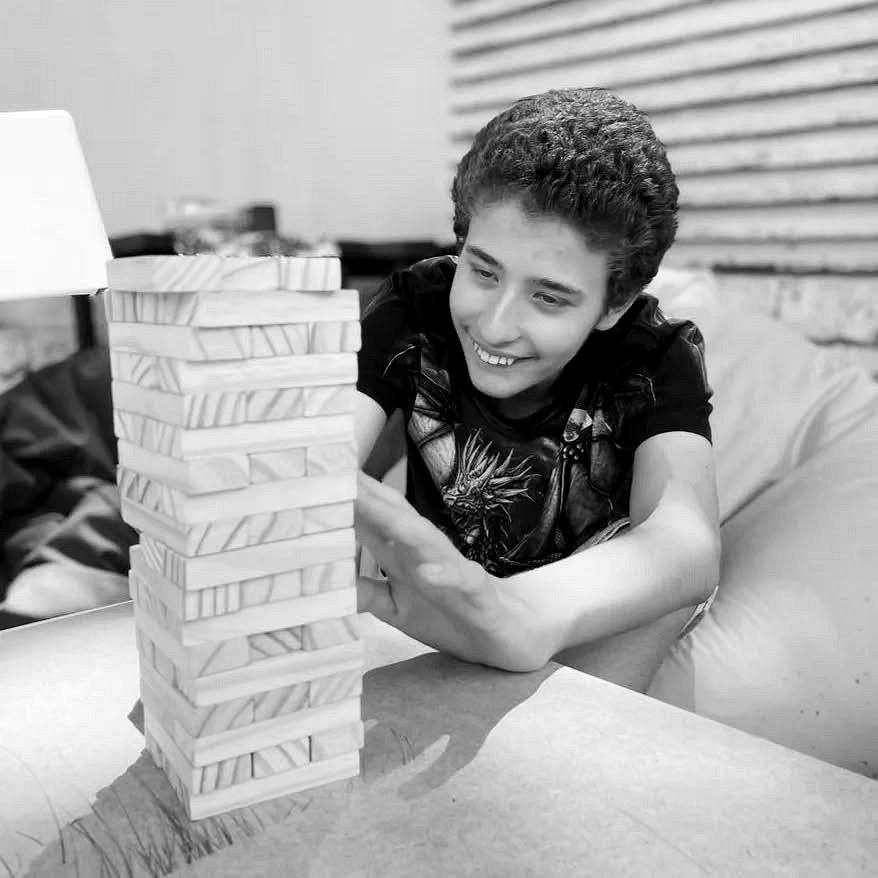
Or Maksym, who is 16 and also has autism.
Maksym studied at home with his mother and until the age of 15 had no other circle of communication, except for the close family circle. In the workshops, Maksym found friends to play board games and basketball with, communicate, cook dinner, practice painting and ceramics. And it was in the workshops that Maksym celebrated his birthday for the first time as a real teenager: not with family, but with friends. Who appeared to him in the workshops.
People with autism need acceptance, but also specially organized activities in small groups with qualified support from specialists.
And with all these conditions being met - they can live a life that is normal for most people. And not be isolated within the confines of their homes.
Comments
Be the first to leave a comment